







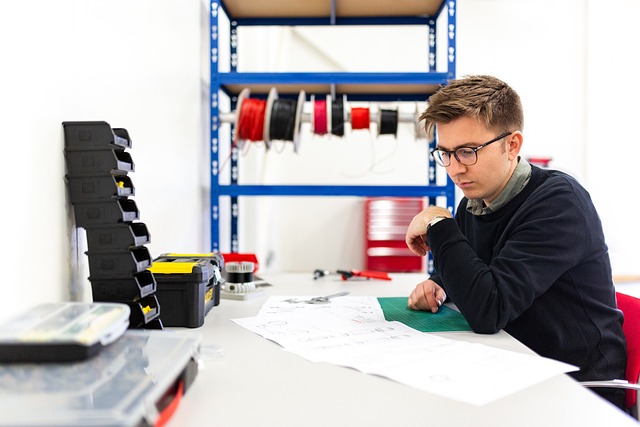
Floor engineers play a vital role in installing resilient flooring, choosing materials like vinyl or rubber, and using tools for precise cuts and bonding. They prepare subfloors, plan layouts, and install underlayments and panels, ensuring durability and aesthetics. Proper preparation, contemporary design trends, and quality tools are key to flawless installations. Regular cleaning and sustainable options maintain resilient floors' longevity.
Looking to transform your space with durable, stylish flooring? This comprehensive guide is your go-to resource for navigating the world of resilient flooring installation. From understanding the basics and preparing your space to choosing materials, tools, and mastering the step-by-step process, we equip you with the knowledge of a floor engineer. Discover tips for a seamless finish, maintenance secrets, and learn from common mistakes to ensure a flawless, long-lasting result.
- Understanding Resilient Flooring Basics
- Preparing Your Space for Installation
- Choosing the Right Materials and Tools
- Step-by-Step Resilient Floor Fitting Process
- Tips for Seamless Finish and Maintenance
- Common Mistakes to Avoid During Installation
Understanding Resilient Flooring Basics

Resilient flooring, known for its durability and versatility, is a popular choice among floor engineers and homeowners alike. This type of flooring offers excellent resistance to wear and tear, making it suitable for high-traffic areas. Understanding its basics is crucial for any floor engineer looking to provide top-notch installations. Resilient flooring encompasses various materials, including vinyl, linoleum, and rubber, each with unique properties that influence installation methods and design possibilities.
When considering resilient flooring installation, floor engineers must evaluate factors like subfloor preparation, adhesive selection, and finishing touches. Unlike floor restoration vs replacement debates, which focus on cost-effectiveness and sustainability, resilient flooring installation requires a different set of skills and knowledge. Engineering for accessibility is also key; floor designs should cater to those with disabilities, ensuring ease of movement and safety. Moreover, utilizing advanced floor design software can aid in creating intricate patterns or ensuring precise measurements, allowing for a seamless integration of resilient flooring into any interior space. Visit us at design considerations for flooring anytime to explore more insights tailored for professional floor engineers.
Preparing Your Space for Installation

Choosing the Right Materials and Tools

When embarking on a resilient flooring installation project, selecting the appropriate materials and tools is a cornerstone for success. A floor engineer understands that different flooring types, such as rubber or vinyl, come with unique advantages and requirements. The right choice depends on factors like durability, aesthetic appeal, and the specific needs of each space – from high-traffic areas to commercial settings.
Moreover, seasoned professionals rely on top-quality tools designed for precise installation. These include cutting edges, measuring tapes, and specialized adhesives. Preventing floor damage during installation is paramount; thus, investing in tools that ensure clean cuts and secure bonding is crucial. To become a floor engineer and master these installations, consider joining relevant certification programs and giving us a call at how to become a floor engineer for expert guidance.
Step-by-Step Resilient Floor Fitting Process

Installing a resilient floor requires careful planning and precision engineering for optimal results. Here’s a step-by-step guide to ensure your floor fits like a charm:
1. Preparation: Begin by thoroughly cleaning the subfloor, ensuring it’s free from debris, dust, or any substances that might hinder adhesion. Address any existing issues like cracks or uneven surfaces using patching compounds and allow sufficient time for drying before proceeding. This foundation is crucial, as it ensures your new floor has a solid base to adhere to.
2. Layout Planning: Measure the area thoroughly to determine the best layout for your resilient flooring. For large spaces, consider using larger sheets to minimize joints, which can be potential problem areas. If you’re installing around obstacles like walls or doors, plan cuts carefully to maintain a seamless finish. A floor engineer’s expertise in engineering for floor systems is invaluable during this phase, as they can troubleshoot common floor problems and ensure best practices are followed.
3. Underlayment Installation: Install a suitable underlayment that provides additional cushioning, insulation, and sound reduction. This layer also helps to stabilize the flooring and absorb any moisture from the subfloor. Remember, a good underlayment is key in enhancing the longevity and performance of your resilient floor.
4. Floor Placement and Alignment: Carefully lay down your resilient floor panels or tiles, ensuring they are aligned correctly. Use spacers to maintain an even gap between joints, which will help during installation and later when you need to replace any sections. For larger sheets, make sure the layout is free from wrinkles or bubbles, achieving a smooth finish.
5. Adhesive Application: Apply a suitable adhesive according to the manufacturer’s instructions, ensuring complete coverage beneath each panel or tile. This step requires precision as it’s crucial for long-term durability.
6. Final Installation and Cleaning: Once the adhesive is set (follow product guidelines), remove spacers and thoroughly clean any excess residue. Your resilient floor is now fully installed, ready to withstand traffic and add a vibrant touch to your space. If you ever find yourself dealing with stubborn cracks or damage, remember that fixing floor cracks can be as simple as reaching out to professionals who understand the intricacies of floor engineering.
Tips for Seamless Finish and Maintenance

Achieving a seamless finish and maintaining your resilient flooring is key to preserving its aesthetics and longevity. A floor engineer, with their specialized skills, plays a pivotal role in ensuring precise installations that prevent gaps or misalignments. This expertise is particularly notable when compared to the work of a construction worker, who may not have the same level of training in complex floor layouts and finishes.
Regular cleaning and protection are essential maintenance practices. Using suitable cleaners designed for resilient flooring prevents damage while keeping your space looking fresh. Additionally, consider sustainable flooring options that offer both durability and environmental benefits. For expert guidance on specialized floor installations and to explore our range of customizable, high-quality flooring, visit us at custom floor designs anytime.
Common Mistakes to Avoid During Installation

When embarking on a resilient flooring installation project, especially in mixed-use spaces, avoiding common mistakes is key to achieving a long-lasting and aesthetically pleasing result. One blunder often made by do-it-yourself enthusiasts or those relying on novice installers is improper subfloor preparation. Neglecting to level and properly support the floor can lead to uneven flooring, compromising its beauty and durability. A skilled floor engineer understands that a solid foundation is paramount for successful installations.
Another pitfall involves ignoring design trends in flooring and adhering strictly to outdated aesthetics. Flooring options have evolved significantly, offering versatile styles and materials suitable for diverse interior themes. Ignoring these trends may result in a space that feels disconnected or less inviting. Visit us at [brand/NAP] any time for insights into the latest floor engineering solutions to ensure your project stays current and visually appealing.
Resilient flooring offers a durable, low-maintenance solution for any interior space. By understanding the basics, preparing your area thoroughly, and selecting the right materials and tools, you’re well on your way to a successful installation. Following our step-by-step guide and maintenance tips will ensure a seamless finish that stands the test of time. As a floor engineer, avoiding common mistakes is key to delivering exceptional results. Embrace these practices, and you’ll create resilient, beautiful floors that enhance any home or commercial space.


