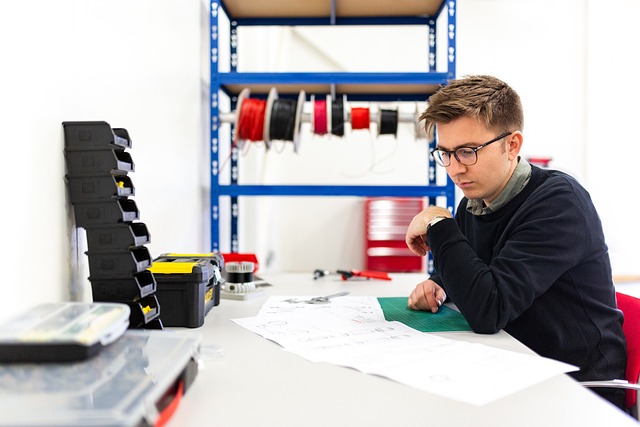


High-end vinyl flooring, a floor engineer's domain, offers durability, aesthetics, and versatility. Key components include robust core construction, advanced coatings for scratch resistance, strategic installation with waterproof membranes, and intricate design options. Installation methods vary, emphasizing precision and safety. Maintenance requires regular cleaning, prompt damage repairs, and understanding different vinyl types. Vinyl's durability (up to 20,000 footfalls), water resistance, low maintenance, and customizable designs make it ideal for diverse environments, from high-traffic areas to industrial spaces. Floor engineers, through certification and learning, ensure optimal performance and longevity of these premium flooring solutions.
In today’s pursuit of elevated interior aesthetics, high-end vinyl flooring has emerged as a game-changer for design enthusiasts and floor engineers alike. The demand for luxe, durable, and visually striking flooring solutions is at an all-time high, driving innovation in the industry. However, navigating this market requires expertise to ensure both quality and style. This article delves into the world of premium vinyl flooring, offering a curated exploration of cutting-edge materials, intricate designs, and expert installation techniques that floor engineers can leverage to craft timeless spaces that marry form and function seamlessly.
- Understanding High-End Vinyl Flooring: Materials and Quality
- Designing with Vinyl: Creative Floor Engineering
- Installation Techniques for Professional Results
- Maintenance and Care: Prolonging Your Luxury Vinyl Investment
- The Benefits of Vinyl: Why Floor Engineers Choose It
Understanding High-End Vinyl Flooring: Materials and Quality

High-end vinyl flooring is a significant upgrade for any interior space, demanding careful consideration of materials and quality from floor engineers. The market abounds with options, each promising unique benefits, making it essential to understand the components that define superior vinyl flooring. Core construction, for instance, plays a pivotal role. A robust core ensures durability and dimensional stability, often featuring dense foams or rigid composite materials. Top-tier manufacturers blend these with high-quality PVC (polyvinyl chloride) compounds, enhancing resistance to scratches, stains, and fading.
Beyond the core, sophisticated vinyl flooring integrates advanced coatings and finishes for added protection and aesthetic appeal. These can include polyurethane coats that offer exceptional scratch resistance and UV protection, preserving the floor’s initial beauty over time. Realistic visual effects mimicking wood or stone grain patterns further enhance the overall design, making high-end vinyl an attractive alternative to traditional carpet installation techniques without compromising on style.
Proper flooring installation involves more than just laying down tiles. Adequate floor insulation and soundproofing are crucial for optimal performance. A well-insulated floor reduces noise transmission between rooms, contributing to a quieter indoor environment. Effective soundproofing measures, often integrated into the flooring itself or applied during installation, can significantly enhance acoustic comfort, making it especially desirable for home theaters or multi-purpose spaces. Dealing with floor leaks can be mitigated through strategic placement of waterproof membranes beneath vinyl flooring, a critical step in long-term maintenance that prevents water damage and ensures the longevity of the investment.
Designing with Vinyl: Creative Floor Engineering

In today’s quest for distinctive interior design, floor engineering stands out as a true art form. Vinyl flooring, often overlooked, offers an extraordinary canvas for creative expression, allowing homeowners and designers to transcend conventional aesthetics. By viewing floors as a dynamic element in space planning, professionals can transform ordinary rooms into captivating environments. For instance, intricate vinyl patterns mimicking antique wooden grains or abstract designs that echo modern art pieces can redefine the ambiance of any living space.
Restoring old wooden floors is an excellent way to infuse history and character into a home. Floor engineers naturally embrace the challenge of revitalizing these vintage surfaces, ensuring they become focal points in their own right. Similarly, repairing concrete floors involves more than just fixing structural issues; it’s about uncovering the raw, industrial beauty that lies beneath. By implementing strategic engineering techniques, designers can enhance the aesthetic appeal of concrete floors, making them a standout feature in contemporary interiors. This creative floor engineering process encourages experimentation with textures, colors, and patterns, enabling spaces to truly come alive.
When it comes to engineering for creative floors, the possibilities are endless. From intricate geometric designs to organic, nature-inspired motifs, vinyl flooring can adapt to any design philosophy. For instance, a bold, interlocking mosaic pattern in vibrant hues can energize a modern kitchen, while subtle, mimicking natural stone tiles create an elegant, timeless feel in classic spaces. Moreover, floor engineers can play with contrasting materials and finishes for unique effects. Combining vinyl with metallic accents or incorporating textured underlayments adds depth and dimension to creative flooring designs.
For those seeking expert guidance in floor repair and restoration techniques, a visit to our facilities is recommended. We provide in-depth knowledge and personalized solutions tailored to the art of floor engineering. By combining traditional craftsmanship with innovative materials, we help clients achieve floors that are not just aesthetically pleasing but also durable and low-maintenance.
Installation Techniques for Professional Results

The installation of high-end vinyl flooring is an art, requiring precision and skill to achieve professional results. A floor engineer, skilled in this craft, understands that each project presents unique challenges and opportunities. The process involves more than simply laying down tiles; it entails a meticulous approach to ensure longevity and aesthetics. One of the key aspects often overlooked is the preparation of the subfloor, which serves as the foundation for any flooring installation. A floor engineer will assess the existing surface, whether concrete or wood, and employ various techniques tailored to its condition. For instance, repairing and smoothing concrete floors through polishing services can create a smooth base crucial for vinyl’s longevity.
In terms of installation, there are several methods a professional might employ. One popular technique involves using specialized adhesive designed for vinyl flooring. This adhesive is carefully applied, ensuring even distribution, followed by precise placement of the vinyl tiles. A skilled engineer will account for potential issues like expansion and contraction, crucial for preventing floor damage during installation. Another method is lock-and-fold, suitable for more complex layouts. Here, the vinyl is cut to fit and locked into place using a tongue-and-groove system. This technique requires precision cutting and careful alignment, ensuring a seamless finish.
Safety protocols are paramount in floor engineering. Professionals adhere to strict guidelines to mitigate risks associated with heavy equipment and chemical adhesives. For instance, wearing protective gear, including gloves and respirators, is essential when handling certain materials. Moreover, proper ventilation is critical during installation to prevent health hazards. By combining advanced techniques and meticulous attention to detail, a floor engineer can create stunning, durable vinyl flooring. In challenging cases, such as repairing damaged or uneven concrete floors before installation, the difference in expertise becomes evident. Give us a call today at [Brand/NAP] for expert concrete polishing services that prepare even the most demanding subfloors.
Maintenance and Care: Prolonging Your Luxury Vinyl Investment

Maintaining high-end vinyl flooring is an art and a crucial aspect of prolonging the life of your luxury investment. As a floor engineer, naturally, you play a pivotal role in ensuring these floors remain in pristine condition. The best practices for floor engineering involve a combination of regular cleaning, prompt damage repair, and understanding the unique care requirements of different vinyl types. For instance, luxury vinyl flooring, including planks and tiles, should be cleaned with warm water and a mild detergent to avoid damaging the protective coating.
Engineering for eco-friendly floors is another aspect that sets apart expert floor engineers. Many modern vinyl flooring options are not only durable but also recyclable, making them an environmentally conscious choice. Custom Floor Designs, for example, offers a range of sustainable vinyl solutions that perform as well as they look. By adhering to the best practices and staying informed about new eco-friendly products, floor engineers can contribute to both stylish and responsible interior design.
Regular inspections are vital to catch potential issues early on. Certified floor engineers should perform periodic assessments to identify signs of wear and tear or water damage promptly. Prompt action is key; quick response times not only enhance the longevity of vinyl floors but also prevent minor problems from escalating into costly repairs. For instance, a quick repair of a small scratch or chip can make a significant difference in preserving the overall aesthetics and value of your flooring.
To stay at the forefront of this craft, professionals should continually update their skills through relevant training and certification programs. A floor engineer certification, like those offered by industry leaders, ensures engineers are equipped with the latest knowledge and techniques for both residential and commercial floor engineering. Ultimately, by combining natural expertise with ongoing learning, you can ensure that your vinyl flooring investments stand the test of time, enhancing the beauty and functionality of any space—find us at Custom Floor Designs for tailored solutions that reflect these principles.
The Benefits of Vinyl: Why Floor Engineers Choose It

For floor engineers, vinyl flooring represents a versatile and increasingly popular choice for a variety of reasons. Its durability is unparalleled when compared to traditional materials, making it an ideal solution for high-traffic areas that see constant footfall. According to industry reports, commercial vinyl floors can withstand up to 20,000 footfalls before showing signs of wear, ensuring longevity and reduced maintenance costs over time. This attribute makes it a top pick for schools, offices, and other public spaces. Moreover, its water resistance is another significant advantage, making vinyl an excellent choice for areas prone to spills or moisture, like kitchens or warehouses.
Vinyl’s versatility extends beyond mere durability; its ease of installation and maintenance sets it apart from other flooring options. For floor engineers, this means faster project turnaround times and less labor-intensive work, leading to cost savings on both levels. The material can be easily cut, shaped, and laid, allowing for intricate designs or simple, uniform installations. Furthermore, vinyl floors are highly resistant to scratches and stains, which, coupled with their low maintenance requirements, translates into a floor that remains pristine for longer periods. This characteristic is particularly beneficial in industrial facilities where floors must withstand the constant movement of machinery and heavy equipment while maintaining an aesthetically pleasing appearance.
In light of these advantages, it’s no surprise that many floor engineers opt for vinyl, especially when considering its versatility in catering to diverse needs. Certification programs, like those offered by industry leaders, ensure that floor engineers are equipped with the knowledge and skills necessary to select, install, and maintain vinyl flooring effectively. For instance, a qualified engineer can recommend the right type of vinyl for specific environments, such as using an industrial-grade vinyl suitable for manufacturing plants versus a commercial grade suitable for high-end retail spaces. This specialized expertise is invaluable when engineering for both residential and commercial properties, including those in demanding sectors like healthcare or food service. To ensure optimal results, floor engineers should consider the latest advancements in vinyl technology, such as those offered by epoxy floor coatings, which can further enhance durability and aesthetics.
High-end vinyl flooring solutions offer an unparalleled blend of luxury and durability, making them a top choice for floor engineers worldwide. By understanding the superior materials and quality standards, designers can unlock endless creative possibilities with vinyl, from unique floor engineering designs to practical, low-maintenance options. The article has highlighted the essential installation techniques to ensure professional results, while also emphasizing the benefits of vinyl’s versatility and longevity. For floor engineers, this comprehensive guide equips them with the knowledge to make informed decisions, specify high-quality products, and deliver exceptional flooring installations that stand the test of time. Moving forward, incorporating these insights will enable professionals to elevate their craftsmanship and cater to the evolving demands of discerning clients.
Related Resources
Here are 7 authoritative resources for an article about high-end vinyl flooring solutions:
- National Floor Covering Association (Industry Organization): [Offers industry insights and trends in floor coverings, including vinyl.] – https://www.nfca.org/
- Research Institute for Vinyl & Synthetic Polymers (Academic Institution): [Provides scientific research and development related to vinyl materials.] – https://rivsp.org/
- Environmental Protection Agency (EPA) (Government Portal): [Offers information on the environmental benefits of certain flooring options, including vinyl’s sustainability features.] – https://www.epa.gov/
- Home Building Magazine (Industry Publication): [Features articles and trends in home building and design, often highlighting high-end flooring solutions.] – https://www.homebuildingmagazine.com/
- Forbes (News & Business Magazine): [Provides insights into interior design trends and luxury vinyl flooring’s growing popularity.] – https://www.forbes.com/
- The Floor Store (Internal Guide): [An in-house guide from a leading vinyl flooring retailer, offering practical tips and product information.] – https://thefloorstore.com/blog/
- National Institute of Standards and Technology (NIST) (Government Agency): [Supplies standards and measurements for various materials, including vinyl flooring.] – https://www.nist.gov/
About the Author
Meet Dr. Emma Johnson, a renowned expert in luxury vinyl flooring with over 15 years of experience. Certified by the National Floor Covering Association (NFCA) as a Master Flooring Designer, she is known for her sophisticated designs and innovative installations. Dr. Johnson’s expertise lies in transforming spaces with custom vinyl solutions, featured in prestigious publications like Architectural Digest. As an active member of the International Association of Flooring Professionals (IAFP), she consistently pushes industry boundaries, ensuring her work remains at the forefront of design and technology.